
One Pharmacist’s View
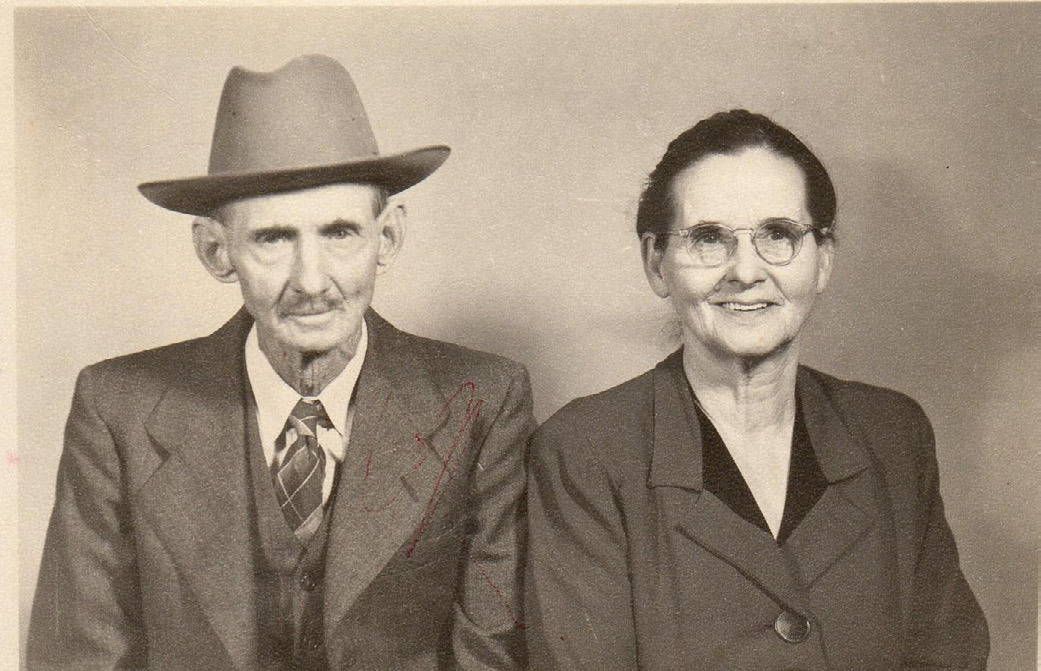
I loved Goat Ridge Farm, the farm my dad’s parents operated in Leflore County, Oklahoma. My readers know that’s the farm my brother Gerald and I were often exiled to in the hot summers of the 1940s. My dad, in his fatherly logic thought he might be helping out his dad by sending us down there for a few weeks each summer. He said he wanted to help out his dad since all his sons grew up and (like my dad) fled the paradisical farm and its abundant farming chores. Like character building plowing, hoeing, gathering and milking six or eight cranky cows every day, slopping hogs, and so forth. Besides, dad said, the suffering and hardships would do us both good.
I still remember how when we arrived, while grandma would smother us with kisses and hugs and all sorts of wonderful things to eat, I would note grandpa eyeing us like the warden of a prison work farm. But there was grandma. The moderator. The hugger. She was the real boss, saying things like, “Oh J. T., these little boys didn’t come down here to hoe your corn, cut sprouts and work out in the melons, they come to visit,” and at which point she would usher us into wonderful the old dining room. And we would eat.
The dining room was in the middle of the house with a long table featuring many more places to sit down than there were people. It was next to that roomy kitchen which mainly housed a beautiful wood burning cook stove—a Detroit Jewell—a glorious product of American ingenuity. And how did this beautiful cook stove get here? It looked almost out of place in this large and “Early American Style” home. I knew my grandparents had come to Oklahoma from Alabama back about the time Oklahoma attained statehood. But I knew they hadn’t hauled that enormous heavy “Detroit Jewell” all the way from Alabama in their wagon.
And they hadn’t. It was when grandma’s dad, my great-grandpa Don Smith passed he left grandma a little money. “What do you want to do with it?” asked grandpa J.T.? She replied that she knew exactly what she wanted. She showed him in the Sears Catalog the Detroit Jewel. And her money covered the purchase of this glorious instrument of cooking. It did and finally it arrived by rail freight in Wister and grandpa hooked up the team to his Studebaker wagon. He took all his kids and grandma where they loaded it up and brought it home.
The enormous stove was very heavy and, on the way, home the struggling mules had started to murmur and had to rest more than once on the five-mile trip. As the mules approached the big hill up Goat Ridge, everyone got out but Grandma and long before it reached the apex of the ridge. The mules were tired out and the kids were out pushing.
The handsome stove was eventually reassembled and provided many thousands of sumptuous meals of tasty fried chickens, exotic cakes, pies and loaves of home-made breads. All sorts of old Alabama recipes came to life in that kitchen. She was an expert and talented cook. Grandma’s loving care and gracious loves and hugs may have been the main reason Gerald and I were always anxious to go spend a few weeks on Goat Ridge. And grandpa? Well, he saw to it that we made time for him and his chores too—between meals— best we could. The fine old Detroit Jewell eventually found itself deserted in the cold and darkened home after my beloved grandparents lived out their lives. Abandoned? Nearly. But one other grandnephew in Alabama, David Bullard, had eyed the beautiful Detroit Jewell. Yep, thanks to him, the beautiful stove decorates a special corner in his spacious home down there in Alabama. Sometimes I get to see it again. But I have to drive a bit.
Hope all of you have a good week and be sure and go to church Sunday. And thanks for your letters.
Wayne Bullard, DPh